On this page we offer short articles and points of view on local, national, and international environmental matters written by members of Alnwick Area Friends of the Earth. This page has the most recent posts. Follow the arrows at the bottom of the page to access older posts.
If you have something you'd like to share, please get in touch. Contributions should be relevent to Alnwick Area FoE and should normally be no more than 500 words. If your contribution is accepted, we may edit it before publication, but only with your agreement. Read our full guidelines here. Now get writing!
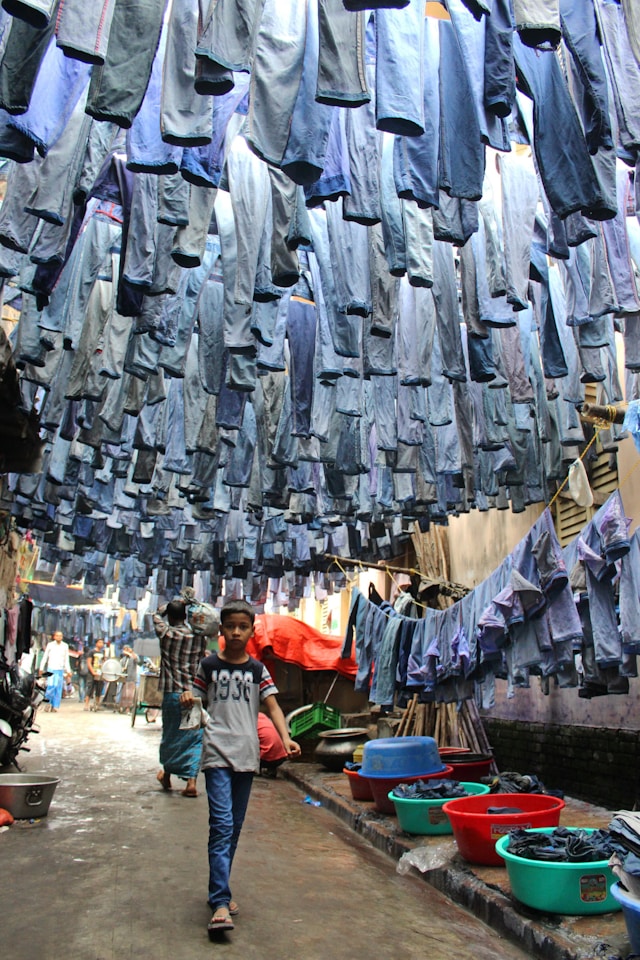
Photo by Dibakar Roy on Unsplash
Fashion at What Price?
A point of view about the world of fashion, from Chris Leggate
The growing demand for new clothing is causing enormous environmental damage and social problems around the world, particularly in developing countries, where many of the factories are located. This is particularly being fuelled by today's 'fast fashion' trend, with brands frequently releasing new styles of cheap, low-quality garments with short lifespans before disposal.
Global fibre production almost doubled between 2000 (58 million tonnes) and 2022 (116 million tonnes) and is forecast to rise to 147 million tonnes in 2030 (Geneva Environment Network, 2025).
The environmental and social impacts of the fashion industry include the following:
Greenhouse gas emissions and climate change
Chemical use
Water consumption
Water pollution
Waste
Working conditions
The fashion industry must improve its workers' wages and conditions and develop more efficient and sustainable manufacturing processes, with less waste, in a zero carbon, more circular economy.
What YOU can do to reduce the environmental impact of your clothing:
The most sustainable garments are those already in your wardrobe!
Posted on 3 November 2025
The fashion industry is responsible for 8-10% of global CO2 emissions (Filho et al, 2022). These occur throughout the supply chain, as well as during consumer use. Emissions are especially high for synthetic fibres such as polyester, that use fossil fuels as raw material. Today, around 69% of clothing is made of synthetic fibres (Changing Markets Foundation, 2021).
Conventional cotton cultivation involves heavy agrochemical use. Textile manufacturing uses more than 15,000 different chemicals, many of which have been identified as having high potential concern for human health and the environment. For example, some chemicals used to waterproof textiles are stable molecules that have spread through the global environment and can now be detected in polar bears and seals (Roos et al, 2019).
The fashion industry consumed 93 billion m3 of water in 2015 and is forecast to use around 118 billion m3 by 2030 (Aponte et al, 2024). Large volumes of water are used for irrigation of cotton crops as well as for the bleaching, dyeing, printing, and finishing of fabrics. This exacerbates scarcity of fresh water for local populations.
The fashion industry causes around:
Globally, 92 million tons of textile waste were dumped in 2015, and by 2030 this is forecast to increase to 148 million tons (Roos et al, 2019). Such waste, which includes unsold garments, is landfilled, incinerated, or sent to developing countries. Less than 1% of material used to produce garments is recycled into new clothing (Textile Exchange, 2022).
Textile and garment workers often endure low wages and long hours in unregulated, unsafe factories with inadequate ventilation. Child labour is also prevalent in the fashion industry.
How to reduce the environmental impact of washing your clothes:
Chris Leggate is an Alnwick-based environmental activist.
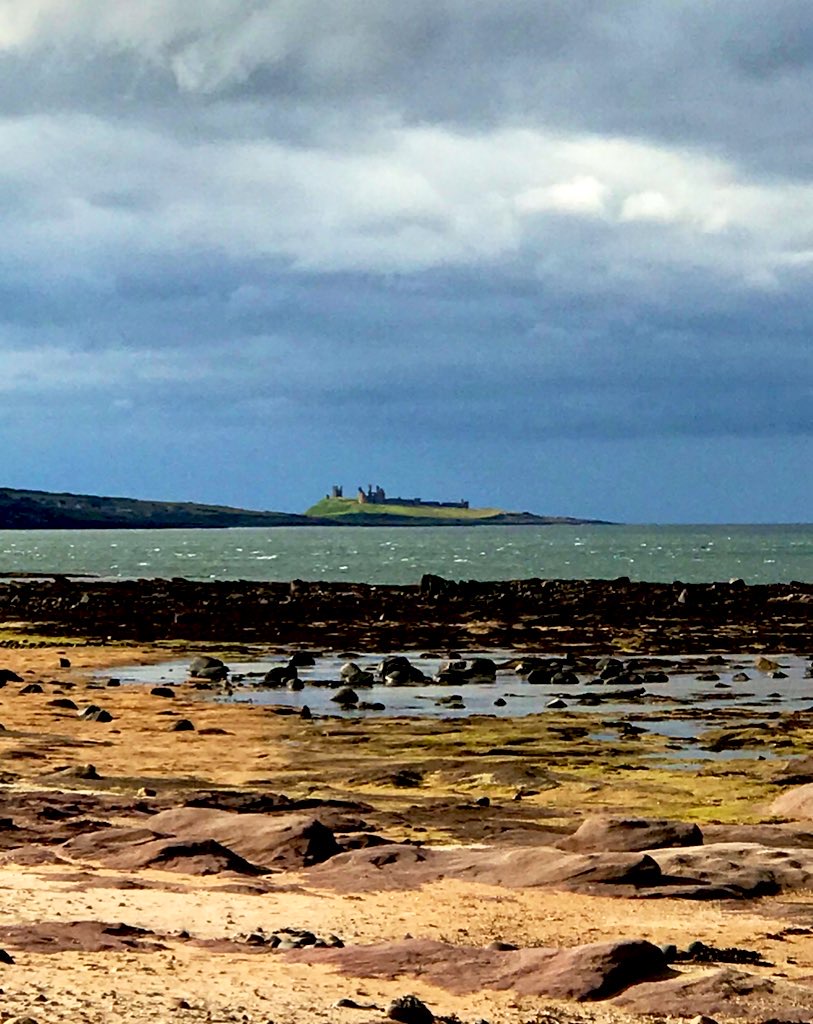
Photo: 'Dunstanburgh Castle, Northumberland' by Brycchan Carey / www.brycchancarey.com
Northumberland's Climate and Ecological Crisis
A point of view about our local environment, from Terry Smith
Northumberland is a most beautiful county, but it is under threat. I describe six of those threats and say something about what we should do to address these. Most of these threats stem from climate change and all are linked in some way.
1. Plastic Pollution and Litter, in the Sea, in Birds, and in Animals
Plastic on the beach, plastic in the sea are real problems. Minute pieces of plastic end up in sea creatures including the fish we eat, shoreline birds and animals and killing many of them. Sea creatures and birds can ingest plastic or get entangled in it.
We humans are not immune from plastic pollution. Microplastics, are in our water supply, in our carbonated drinks and food. We don't know yet what damage, if any, microplastics do to our bodies.
Clearing all litter and plastic from our beaches and river sides is one important measure to protect our wildlife and ourselves, as well as keeping the Northumberland beaches and countryside looking great.
2. Sewage outfalls
According to the Top of the Poops website, Northumbria Water made 3,324 'dumps' during 2022 in North Northumberland alone. Sewage outfalls in our area are already a problem, but with the expected change in our weather patterns there will be increases in heavy rainfall and our old sewage systems will struggle to cope even more than they do now.
It doesn't need to be that way! We don't need to discharge sewage into our rivers and the sea. But we do need to urgently update our sewage disposal systems and stop using our lovely sea as a dump for human waste.
Check on the Surfers against Sewage website for their Real-Time Sewage Pollution alerts and maps.
3. The Ecological Crisis: Loss of Wildlife and Nature
I was shocked when I learnt how much wildlife we have lost in the last fifty years.
4. Extreme Weather Events
Gale force winds, flooding, and extreme hot spells with loss of crops present real threats to life. The UK Met Office projects that we will see 'warmer, wetter winters, hotter, drier summers, and more frequent and intense weather extremes'.
Climate scientists tell us that our weather is changing quite dramatically. This is happening across the world with devastating consequences for nature and people too. The changes we can expect in Northumberland are currently and generally less dramatic than in some areas of the world but they are likely to intensify.
Unfortunately we are not well prepared. We understand the reasons for these climatic changes and we know what to do to stop them getting much worse but we are not doing what is needed.
5. Food Shortages - Global and Local
In Northumberland we will almost certainly experience shortages of some foods in the near future. With the dramatic global and local changes to our weather patterns it is likely that crops will fail, leading to shortages. Our Northumberland farmers will be canny with what they grow, but even so, it will be difficult to prepare for the expected flooded fields in winter and the hard baked lands during the heat waves we are increasingly likely to experience in summer. As we now rely on much of our food coming from elsewhere in the world, we too will be affected by any crop failures experienced in the countries producing our food.
6. Sea Level Rise
Melting glaciers and ice shelves are creating global sea level rise. Land projected to be below annual flood level by 2050 includes large areas around Alnmouth and Amble, according to the Climate Central Coastal Risk Screening Tool
Climate scientists tell us that the Greenland ice sheets, the Arctic and Antarctic sea ice, and glaciers are melting at a surprising and worrying rate. Global heating in these areas is about 3 times higher than elsewhere. This is leading to changes to our jet stream which will affect the stability of our weather patterns. But more than this, the associated global sea level rise will lead to some island countries being completely submerged. This sea level rise will affect some of our major cities including Newcastle and London as well as our Northumberland coast. In 15 or 20 years time, our coastline will look quite different. It will get even more dramatic after that unless we address this climate crisis.
Posted on 10 January 2024
There are many reasons for the dramatic loss of wild life and nature. Practically all stem from the way we humans live our lives. And the threats to wild life continue. We need to better understand and help protect our natural world. It wasn't so long ago we talked about conquering nature but we now recognise that we must work in partnership with nature appreciating it's importance in our lives and it's key part in our continued existence. With that knowledge we need to get on and protect nature. We aren't doing enough of that yet!
Terry Smith is an Alnwick-based environmental activist.