Photo: Thijs Stoop / unsplash.com
The Climate Emergency: Challenges and Solutions
A point of view about the crisis we face, from Terry Smith
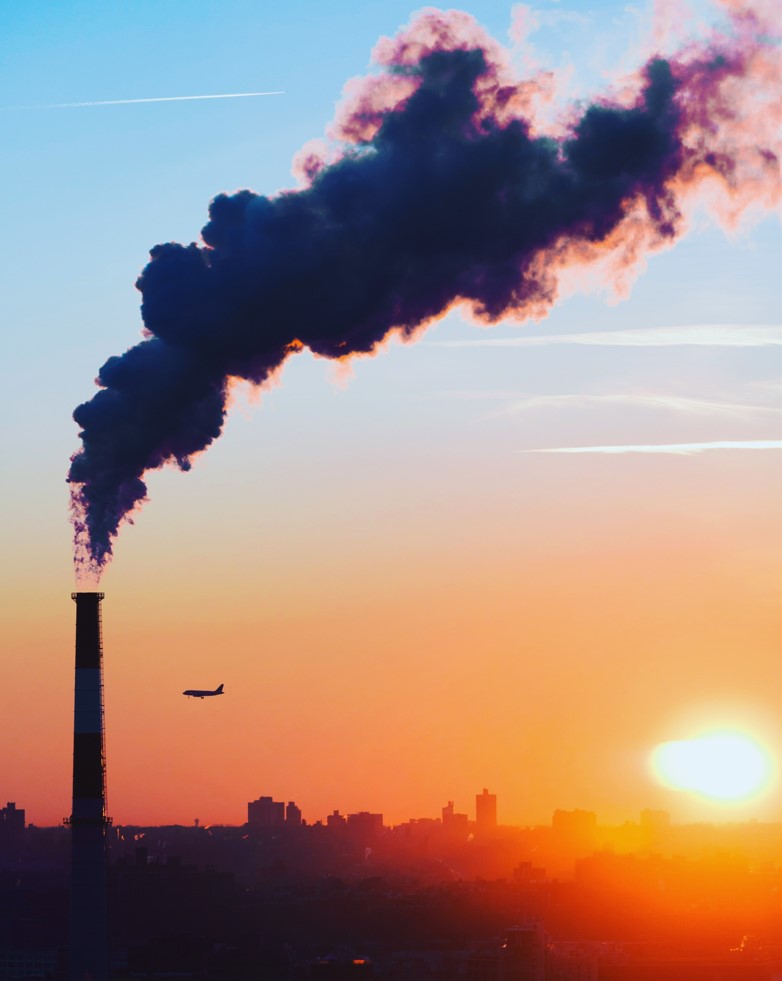
Climate change will have devastating effects for all younger people no matter where they live in the world. In the last few years scientists have helped us to identify the shocking and dangerous effects of these changes. The climate emergency is happening now and is affecting many people already in this country but particularly in other parts of the world. We will not be immune in the North of England!
But things can change for the better and there could be positive new opportunities for work and lifestyle if we work together. We can all play a part in bringing about the changes we need!
What we know is that the challenges and changes we face right now stem from the huge increases in CO2 we have pumped into the atmosphere since the industrial revolution and with an acceleration from the 1950's. We have known about this for at least 30 years but, despite this, politicians of all political parties have failed to take action appropriate to the scale of the challenge.
This is the legacy that we leave for younger people now and for those not yet born. The situation is getting worse and although we've heard fine words we have seen contradictory actions. But things could change for the better.
We are a long way off from tackling the Climate Emergency. We need people of all ages to work together in this country and across the world to bring about the changes on the scale required. But more than this we need politicians around the world to take a lead and to bring about the big changes which are necessary to slow things down from getting significantly worse. We need world leaders to implement the things we already know will make a difference.
These include:
If we did all this in our lifetime, we would be well on our way to tackling the climate crisis.
There are many other things we can do as individuals, but, and it is a big BUT, the big changes need come from our leaders, financial institutions, and big companies. We need to put pressure on them to tackle this crisis!
A few positive words:
Posted on 1 September 2022
What we need now is the political will and energy to tackle the climate emergency!
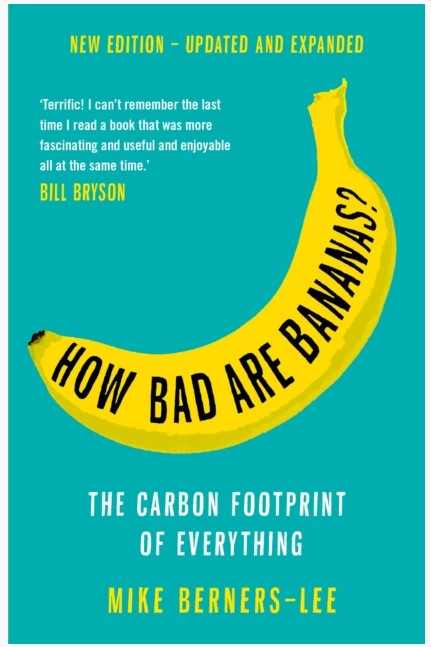
Review: How Bad are Bananas?
A review of Mike Berners-Lee, How Bad are Bananas? The Carbon Footprint of Everything, 2nd edition (Profile Books, 2020). Reviewed by Peter Edge
The really straightforward guide to the carbon footprint of everything. An easy, enjoyable, and essential read for all.
We live in the time of an unprecedented climate emergency, and we all need to act. But where are our efforts best placed? What is the footprint of what we do, how we travel, what we eat, and where we live? Is it ever possible to fly guilt free? What is the carbon footprint of flushing the toilet, buying a new car, heating the house, eating meat, or buying a new pair of jeans? On a bigger scale, what are the emissions of, say, a major sporting event, a forest fire, or, pertinently for Northumberland, a coal mine or a wind turbine? And, when they're shipped thousands of miles, just how bad are bananas?
We need a guide to aid our understanding and this is the most relevant, complete, and accessible book for our new world.
Written by author and academic Mike Berners-Lee, it is a well-presented account of the CO2 emissions of over 100 actions or products meticulously researched but presented for us in an easy-to-read format. It's a dipper; we can scoop the information as we need it and it offers a map through the thicket of greenhouse gasses to help us understand the effects of our lifestyles on the climate. It was first published a decade ago but has now been updated to allow for the covid pandemic and the increased urgency of global heating.
As an environmentalist, I read this and thought so often that my prior understanding was still at a basic level or that I'd previously been led astray. It seemed as though I'd been tied up in knots with super-complicated irrelevancies by well-meaning fellow environmentalists or misled by greenwashing companies. No doubt we're all busy, we have complicated lives, and don't have time or effort to understand the nuanced climate impact of every act we do at all times. There's no doubt that there are complications and contradictions between perhaps wanting to eat locally and yet stopping eating meat. Or perhaps a balance between reducing our emissions at the same time as stopping plastics.
There's no doubt, though, that we cannot not act. It is imperative to reduce our current carbon footprint of around 13 tonnes to just 5 tonnes within a few years. Offsetting our way out of this problem is not an option, neither is pretending that what we do has little impact or that future technology will come to the rescue.
There will always be conflicts, contradictions, and developments as discussion and debate on environmental issues continues. There are distractions and other grave issues to consider. But the generalisations are easier to understand and do matter; flying is almost impossible to justify, the way we heat our house is a massive issue, as is what we eat and how we get about. We need a genuinely sustainable way forward.
Fortunately, this book presents the key to developing a carbon instinct. I don't need to know the exact footprint of all the minute aspects of everything I do at every moment. But in terms of my carbon budget, I can know the cost of certain actions or that certain items are easy or difficult to justify purchasing. This carbon literacy has personally helped me to develop a sense of scale and understanding to know which actions I can do that will have the most impact. Some of us have money, some of us have time, and some of us have a voice—and we should all use these to the greatest effect.
If you do have a little money, here are some possibilities of where you could spend it.
If you have:
Posted on 3 February 2022
How Bad are Bananas? is an essential read and I highly recommend it. It is available from www.hive.co.uk for less than £10.